



Peak-Season Readiness: How We Keep Lead Times Stable

In peak season, buyers typically worry less about price volatility and more about two things: delivery delays and inconsistent quality. For foodservice and retail programs, a missed shipment can trigger out-of-stocks, menu disruptions, or emergency spot buys—costing far more than the product itself.
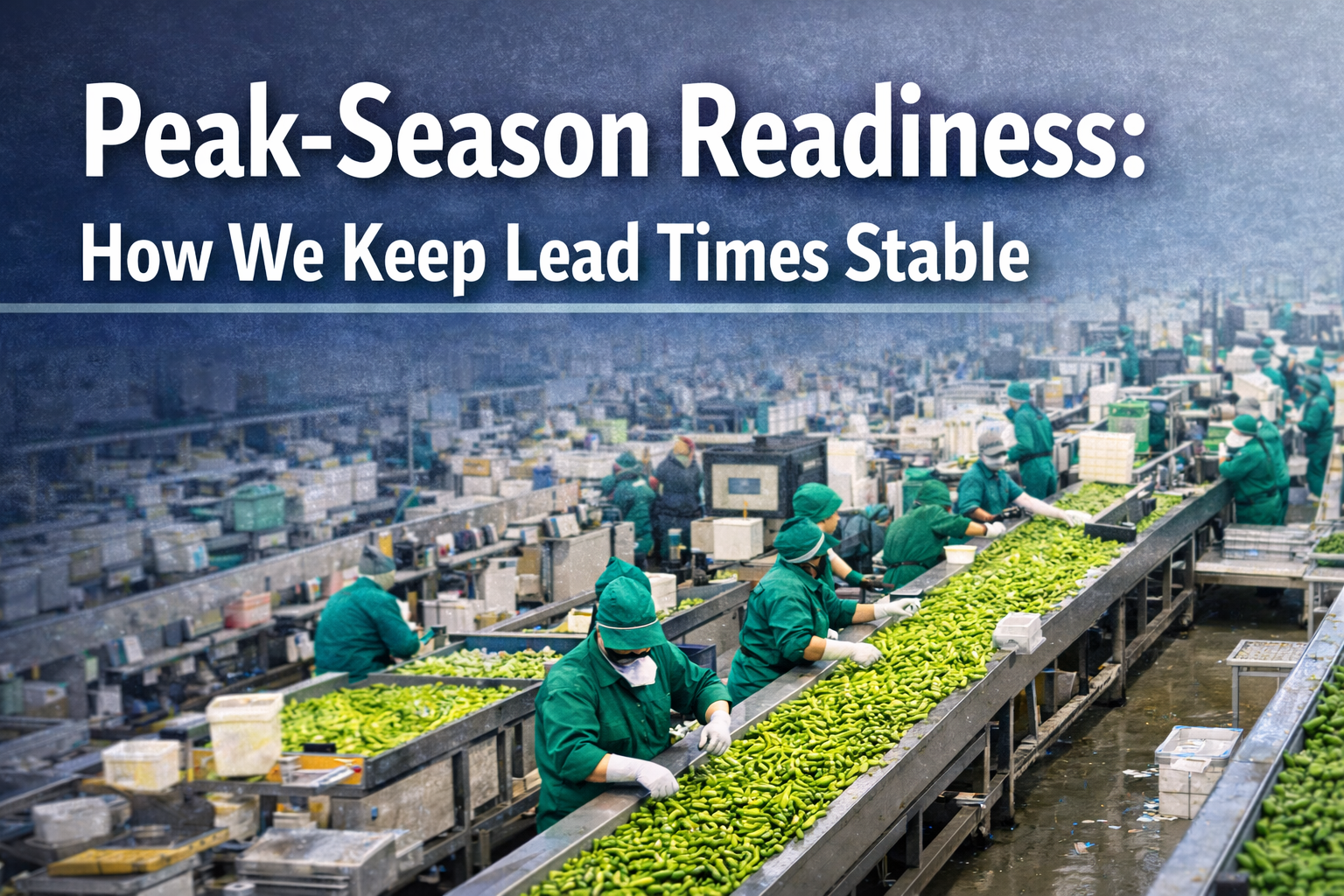
To reduce these risks, we treat supply reliability as a measurable system rather than a promise. Here is how we keep lead times stable for IQF frozen vegetables such as edamame and cauliflower:
1) Rolling Capacity Planning (Weekly)
We lock weekly production windows across IQF processing, packaging, and cold storage dispatch. This prevents last-minute schedule reshuffles that often cause delays.
2) Raw Material Window Management
For vegetables, timing matters. We align inbound raw material arrivals with harvest windows and enforce incoming grading standards. This reduces rework, yield losses, and quality surprises mid-production.
3) Early-Stage Quality Gates
Instead of relying only on final inspection, we implement control points where risk is highest—foreign matter control, metal detection verification, temperature monitoring, and microbiological trend tracking.
4) Export Documentation Standard Packs
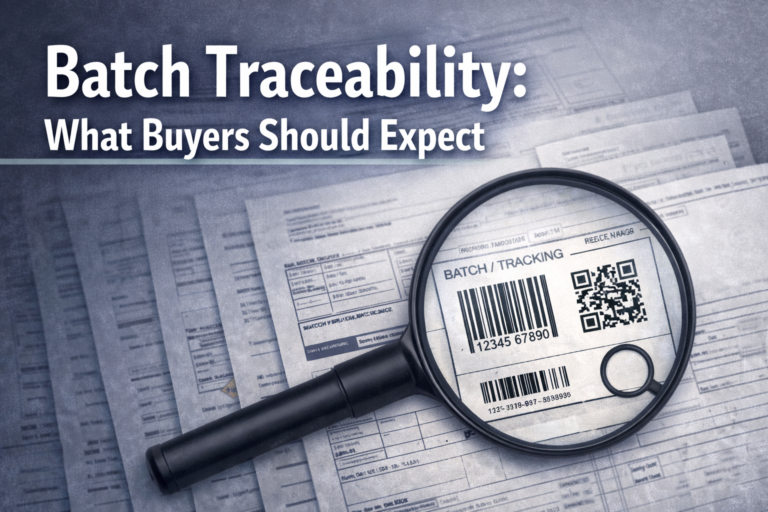
Delays are not always operational. Sometimes they are paperwork-related. We standardize document packs such as COA, batch traceability records, cold chain logs, and packing lists to reduce clearance delays.
If you are evaluating a frozen vegetable supplier, ask them to explain their capacity model, quality gates, and batch traceability workflow. Reliable suppliers can describe these clearly—and demonstrate them with records.