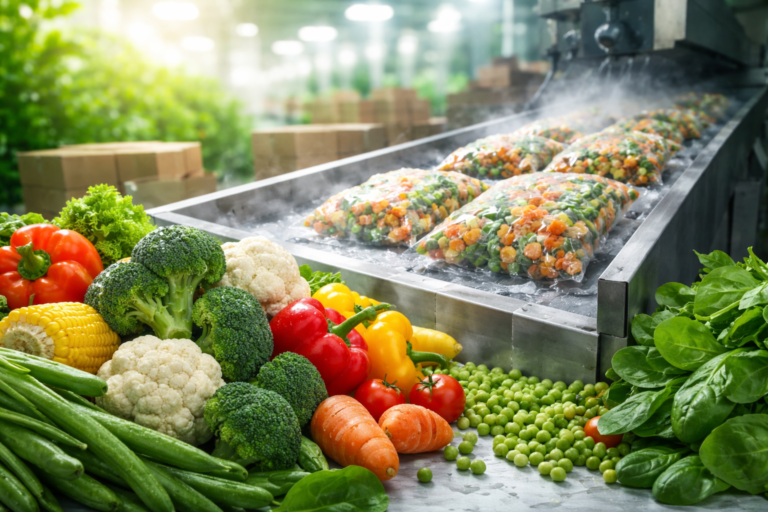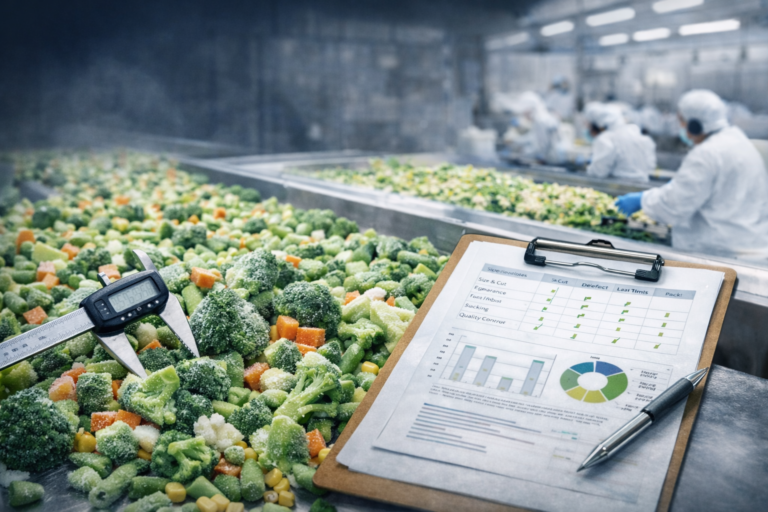


When buyers source IQF frozen vegetables, product quality is often evaluated based on appearance, size, color, and overall consistency. However, one important factor is sometimes not discussed clearly enough at the beginning of the purchasing process: defect tolerance. For importers, distributors, and food manufacturers, understanding this point can help reduce unnecessary disputes and support more efficient long-term cooperation.
In frozen vegetable sourcing, natural variation is part of the product category. Even with standardized raw material selection, processing, and sorting, some minor differences may still appear between batches. These may include limited variation in cut size, slight color differences, a small proportion of broken pieces, or minor surface imperfections that remain within specification. The key issue is not whether natural variation exists, but whether the delivered product meets the agreed quality range.
This is why defect tolerance should be defined clearly before production begins. Different buyers may have different expectations depending on the final market and application. Retail programs often require stronger visual uniformity because the product is sold directly to consumers. Foodservice and industrial buyers may pay closer attention to cooking performance, usable yield, and processing suitability. As a result, the same product may need different tolerance levels depending on the sales channel.
A realistic specification helps both sides work more efficiently. If quality expectations are too general, inspection standards may become inconsistent and claims may increase after arrival. If the tolerance range is defined too narrowly without considering product type, process capability, or cost impact, the sourcing program may become less flexible and more expensive than necessary. A practical approach should balance market needs, technical feasibility, and supply continuity.
For this reason, many professional buyers review product specifications in detail before confirming an order. These specifications may include size tolerance, color requirements, broken piece allowance, foreign material control, and other relevant indicators. When both supplier and buyer confirm these points in advance, sampling, inspection, and shipment coordination usually become more transparent and more manageable.
In today’s frozen vegetable business, quality consistency is not only about appearance. It is also about whether expectations are clearly defined and applied in a consistent way throughout the order process. For companies looking to improve purchasing accuracy, reduce quality claims, and build more stable sourcing relationships, understanding defect tolerance is an important part of better IQF frozen vegetable procurement.