
Cost Stability in IQF Frozen Vegetables: What Buyers Should Plan Before Peak Season
In today’s frozen vegetable market, cost stability matters as much as product quality. Importers, distributors, and private label buyers are under pressure to control margin risk while keeping supply reliable. Yet many purchasing teams still focus mainly on raw material pricing and overlook the operational factors that influence the final landed cost.
For IQF frozen vegetables, a stable sourcing program is usually built before the busiest shipping period begins. Buyers who prepare earlier often have more room to align specification, packaging, production timing, and freight arrangements. That preparation can make the difference between a controlled cost structure and repeated last-minute adjustments.
Raw Material Price Is Only One Part of the Equation
When buyers evaluate frozen vegetable costs, the first question is often the field price or seasonal crop outlook. That is important, but it is only one component of total cost. In practice, cost pressure often comes from a combination of factors, including:
- packaging format changes
- labor scheduling during peak production
- cold storage turnover
- container availability
- export document preparation
- inland transport and port timing
A program that looks competitive at quotation stage can become less efficient if these supporting elements were not planned in advance.
Forecast Accuracy Improves Cost Control
One of the simplest ways to improve cost stability is to provide a more realistic demand forecast. Even a rough rolling forecast is more useful than short-notice purchasing without volume visibility.
Forecasting helps in several ways:
- production slots can be arranged earlier
- packaging materials can be prepared with fewer rush adjustments
- raw material allocation becomes more predictable
- shipment planning can be matched to the target port and lead time
For buyers running multiple SKUs, this matters even more. A supplier can often support better cost consistency when the product mix is visible early, especially for items such as edamame, broccoli, cauliflower, spinach, or mixed vegetables that may move on different harvest and processing schedules.
Packaging Choices Can Quietly Increase Total Cost
Packaging is often treated as a finishing detail, but it has a direct effect on total program cost. Small format retail bags, multilingual artwork changes, carton strength requirements, pallet configuration, and labeling details can all influence both production efficiency and freight utilization.
Common cost issues include:
- changing bag size after quotation approval
- confirming artwork too late
- using a carton specification that reduces pallet efficiency
- requesting mixed packaging formats in small volumes
When packaging decisions are fixed early, the supply program is easier to schedule and cost swings are easier to manage.
Shipment Timing Matters More During Peak Season
Peak season puts pressure on the entire cold chain. Even when factory production is stable, delays can still appear in container booking, loading sequence, or dispatch timing. Buyers that wait too long to finalize shipment windows are usually exposed to higher volatility.
A better approach is to align three things in advance:
- target shipment month
- expected order volume
- acceptable delivery window
This does not eliminate all market fluctuation, but it gives both buyer and supplier a practical framework for planning.
Specification Discipline Supports Better Cost Predictability
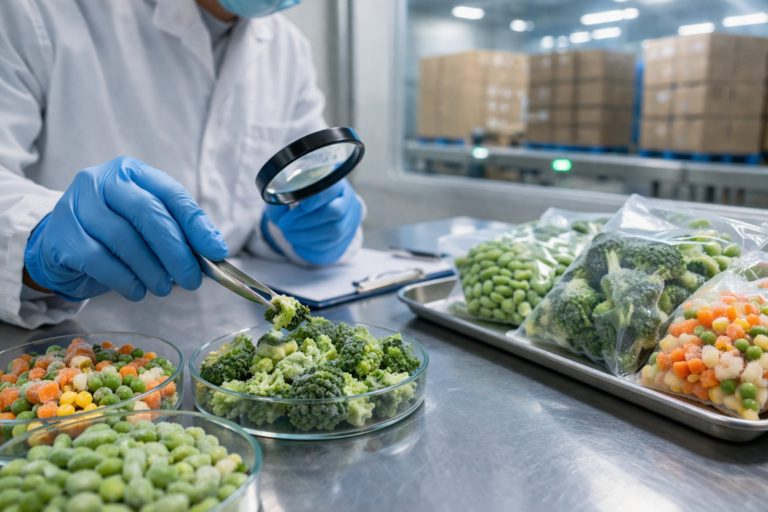
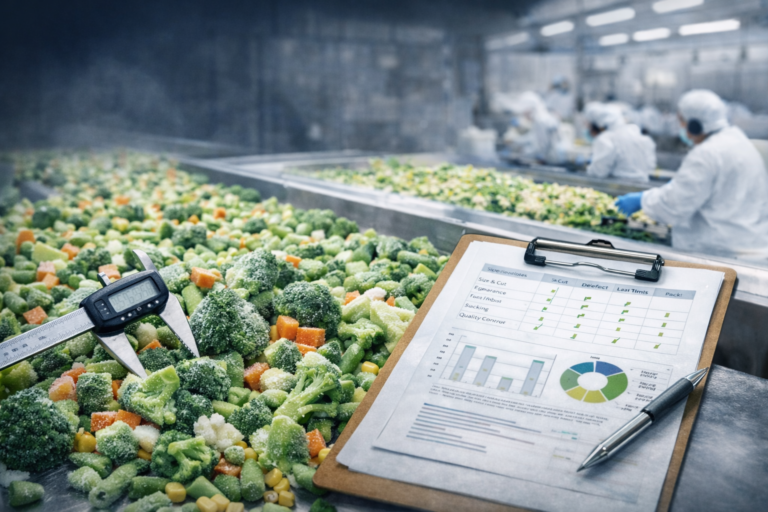
Loose or incomplete specifications often create hidden cost risk. If size range, defect tolerance, blanching expectation, cooking performance, or moisture control are not clearly aligned, the order may require additional sorting, rework, or approval cycles.
That creates two problems at once:
first, production becomes less efficient;
second, shipment timing becomes harder to control.
Clear specification alignment supports more stable production planning and reduces avoidable cost increases later in the process.
A Stable Program Usually Combines Several Controls
Cost stability is rarely achieved through one negotiation. More often, it comes from a combination of operational discipline:
- early forecast sharing
- consistent specification management
- packaging confirmation before production
- realistic shipment scheduling
- documentation readiness
- close coordination on destination market requirements
When these areas are aligned, buyers are in a stronger position to manage seasonal volatility without sacrificing product consistency.
Planning Earlier Creates Better Buying Conditions
The best time to reduce cost pressure is usually before the market becomes crowded. Once capacity tightens and logistics windows narrow, buyers have less flexibility. Earlier planning improves optionality. It allows sourcing teams to compare realistic scenarios, not only headline prices.
For frozen vegetables, the goal is not always the lowest quote. The better target is often a supply program that remains workable across production, packaging, shipping, and customs handling.
Final Thought
Cost stability in IQF frozen vegetables is not only a pricing issue. It is a planning issue. Buyers who align forecast, packaging, specification, and shipment timing earlier are usually better positioned to protect both margin and service reliability during peak season.
If you are planning an IQF vegetable program for an upcoming season, it is worth reviewing the full supply structure before volume starts to move. A more stable program begins with better preparation.