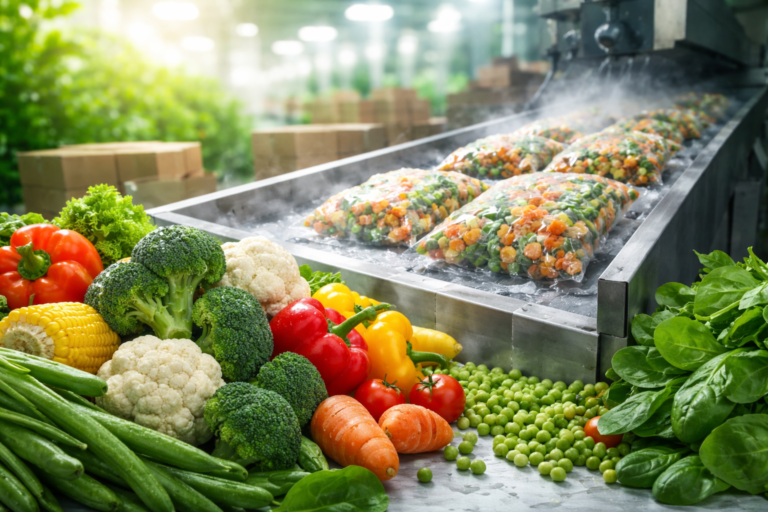
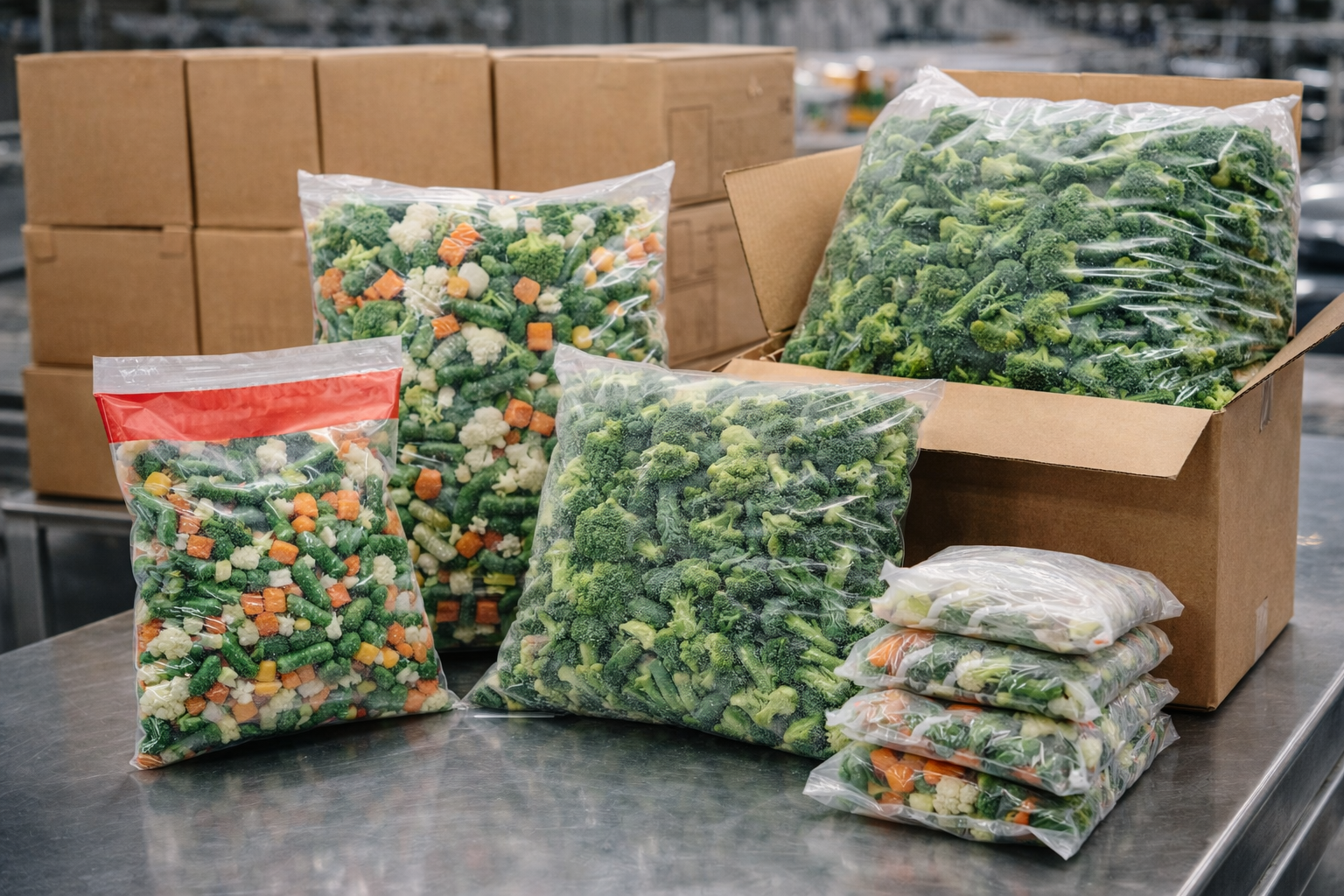

Choosing the right frozen vegetable pack size is an important part of product planning. For importers, distributors, and brand owners, packaging is not only about filling a bag or carton. It directly affects storage efficiency, product handling, sales presentation, and end-user convenience.
Different sales channels often require different frozen vegetable pack size strategies. Retail programs usually need smaller consumer-friendly formats that are easy to display, carry, and store at home. Foodservice buyers, on the other hand, often prefer larger packs that support kitchen efficiency and reduce repeated handling during meal preparation. Bulk distribution may require master cartons designed for warehouse movement and cost-effective shipping.
The right pack size can also help control waste. If the package is too large for the intended user, product may be opened too early or used inefficiently. If it is too small, labor and handling costs may increase. Matching pack size to channel demand helps buyers create a more practical and competitive supply program.
Pack size also influences logistics. Carton loading, pallet configuration, freezer storage, and container utilization all become easier to manage when packaging formats are selected with the final market in mind. For long-term frozen vegetable programs, this can improve both operating efficiency and customer satisfaction.
As buyers build frozen vegetable lines for different markets, pack size should be considered a commercial decision, not only a packaging detail. The right choice supports smoother distribution, better usability, and stronger product performance across retail, foodservice, and wholesale channels.